
The Essential Guide to Brake Inspection & Replacement


Understanding the Importance of Brake Inspection
Brakes are one of the most critical components of your vehicle, ensuring your safety on the road. Regular brake inspection is essential to maintain their efficiency and prevent potential hazards. Ignoring brake issues can lead to accidents and costly repairs.
Understanding when to inspect and replace your brakes can save you time, money, and stress. Let's delve into the essential aspects of brake inspection and replacement that every vehicle owner should know.
Signs That Your Brakes Need Inspection
Being aware of the signs indicating brake problems is crucial. Here are some common indicators that your brakes may need attention:
- Squeaking or Squealing Noises: These sounds often indicate worn brake pads.
- Grinding Sound: This may suggest that the brake pads are completely worn out, and the metal components are grinding against each other.
- Vibration When Braking: If you feel a vibration or pulsation when applying the brakes, it could be due to warped rotors.
Regularly checking for these signs can help you address issues before they escalate into more severe problems.
The Brake Inspection Process
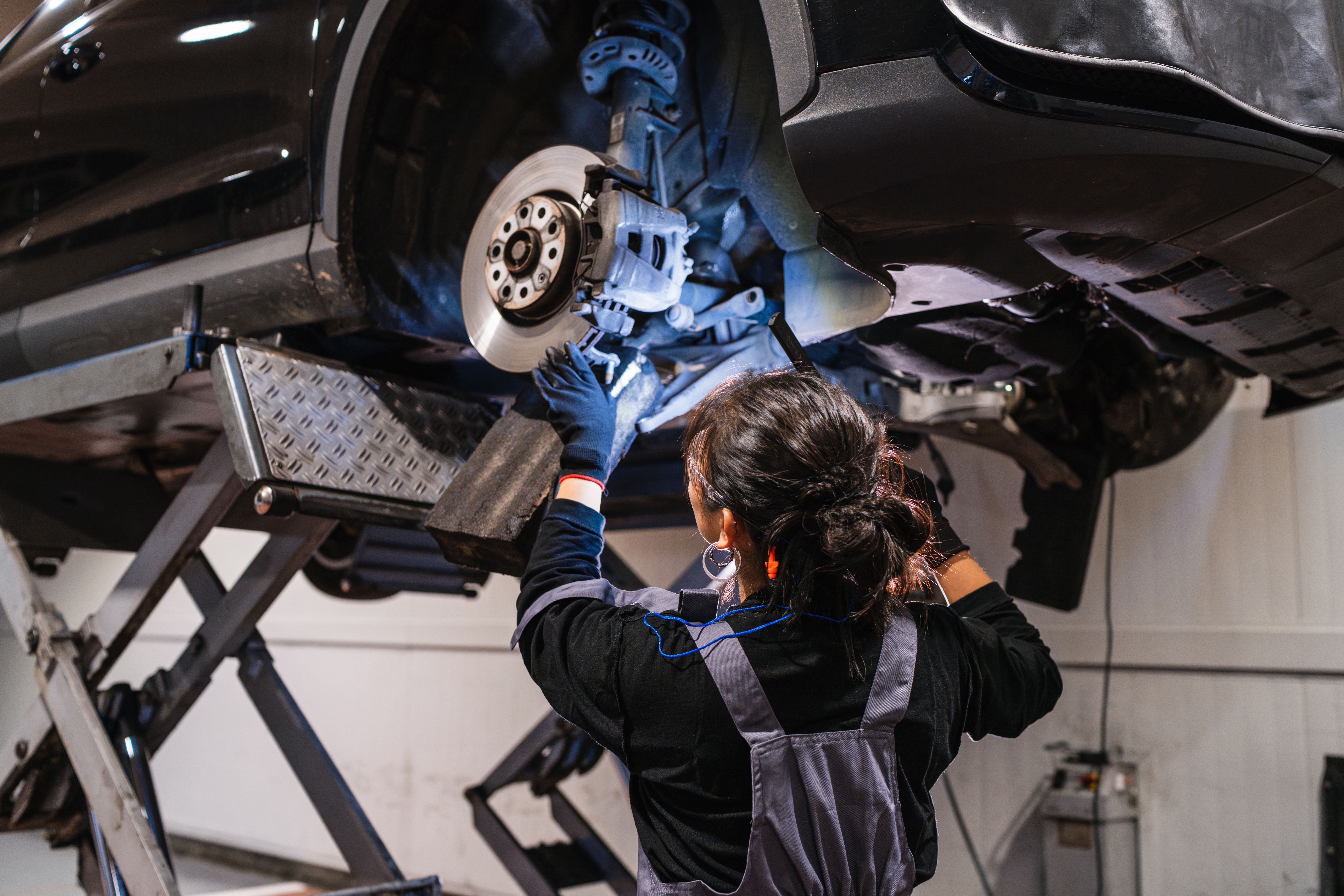
Brake inspection involves a thorough examination of all brake components, including pads, rotors, calipers, and brake fluid. A typical inspection process includes:
- Removing the wheels to examine the brake pads and rotors.
- Checking the thickness of the brake pads to ensure they are within the safe range.
- Inspecting the rotors for any signs of warping or damage.
- Examining the calipers and brake lines for leaks or damage.
- Testing the brake fluid for contamination.
Conducting these checks regularly will help maintain your brakes' performance and reliability.
When to Replace Your Brakes
Knowing when to replace your brakes is as crucial as inspecting them. While brake pads typically need replacement every 25,000 to 70,000 miles, this can vary depending on driving habits and conditions.
Rotors may need replacing if they are damaged or can't be resurfaced. It’s important to follow manufacturer recommendations and consult with a professional mechanic to determine the right time for replacement.
Choosing the Right Brake Components
When it comes to replacement, choosing quality components is vital. High-quality brake pads and rotors not only enhance performance but also last longer. Consider the following when selecting brake parts:
- Material: Ceramic and semi-metallic pads are popular choices due to their durability.
- Brand: Opt for reputable brands known for quality and reliability.
- Compatibility: Ensure that the components are compatible with your vehicle make and model.
Investing in the right parts will provide peace of mind and optimal braking performance.
Professional vs. DIY Brake Replacement
While some car enthusiasts prefer a DIY approach to brake replacement, it’s not suitable for everyone. If you're inexperienced, it's best to leave this task to professionals.
Professional mechanics have the tools, knowledge, and experience to ensure that your brakes are installed correctly. This guarantees safety and efficiency, giving you confidence on the road.
Conclusion
Regular brake inspection and timely replacement are essential for maintaining your vehicle's safety and performance. By understanding the signs of brake wear and choosing the right components, you can ensure a smooth driving experience.
Always prioritize your safety and consult with professionals when in doubt. A well-maintained braking system not only protects you but also enhances your vehicle's overall performance.