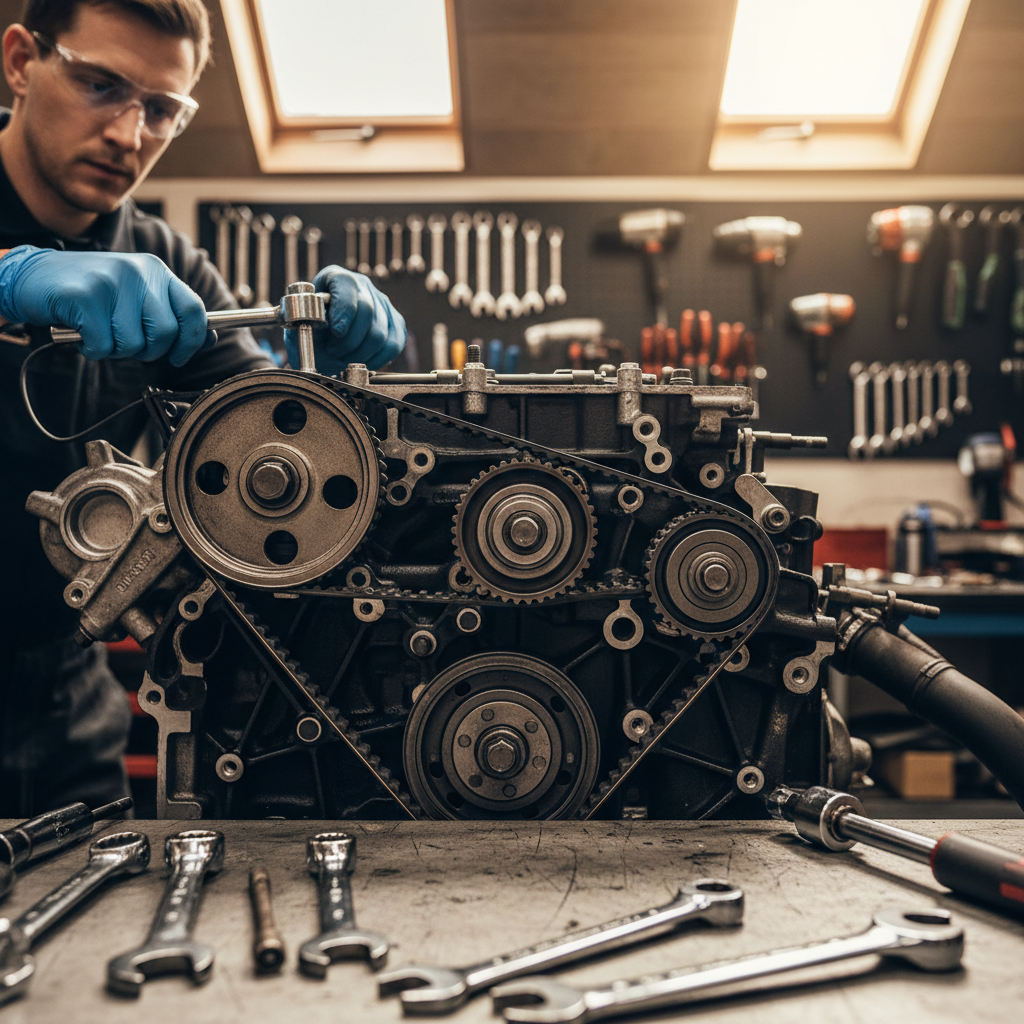
Understanding Your Car's Electrical System: Diagnostics and Solutions


Introduction to Your Car's Electrical System
Your car's electrical system is a complex network that powers everything from the ignition to the headlights. Understanding it can seem daunting, but having a basic knowledge can help you diagnose and solve common issues. This guide will help you navigate the essentials of automotive electrical systems.
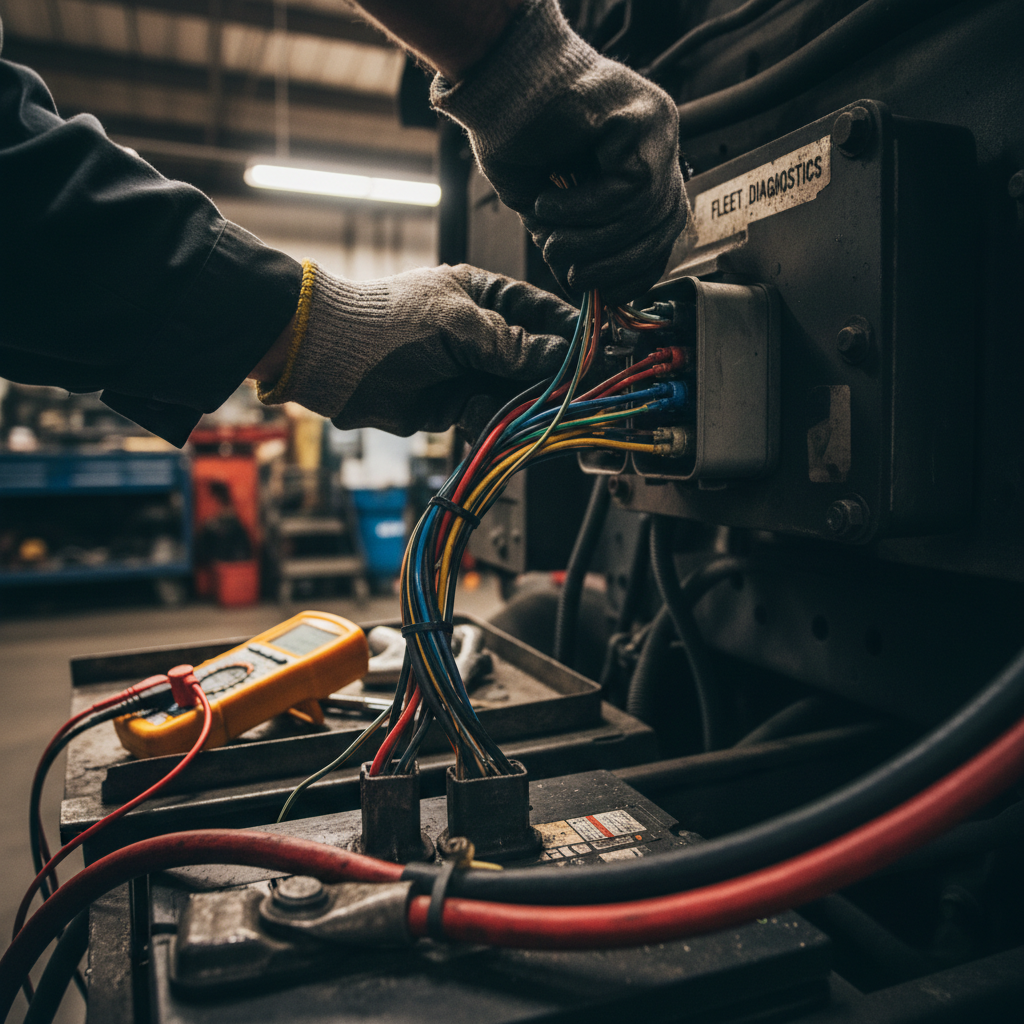
Key Components of the Electrical System
The primary components of most car electrical systems include the battery, alternator, and starter. Each plays a critical role in ensuring your vehicle operates smoothly. The battery provides the initial power, the alternator charges the battery while the engine runs, and the starter gets the engine going.
The Battery
The battery is the heart of your car's electrical system. It stores the energy needed to start the engine and powers electrical components when the engine is off. Regular maintenance and occasional replacement are crucial for optimal performance.
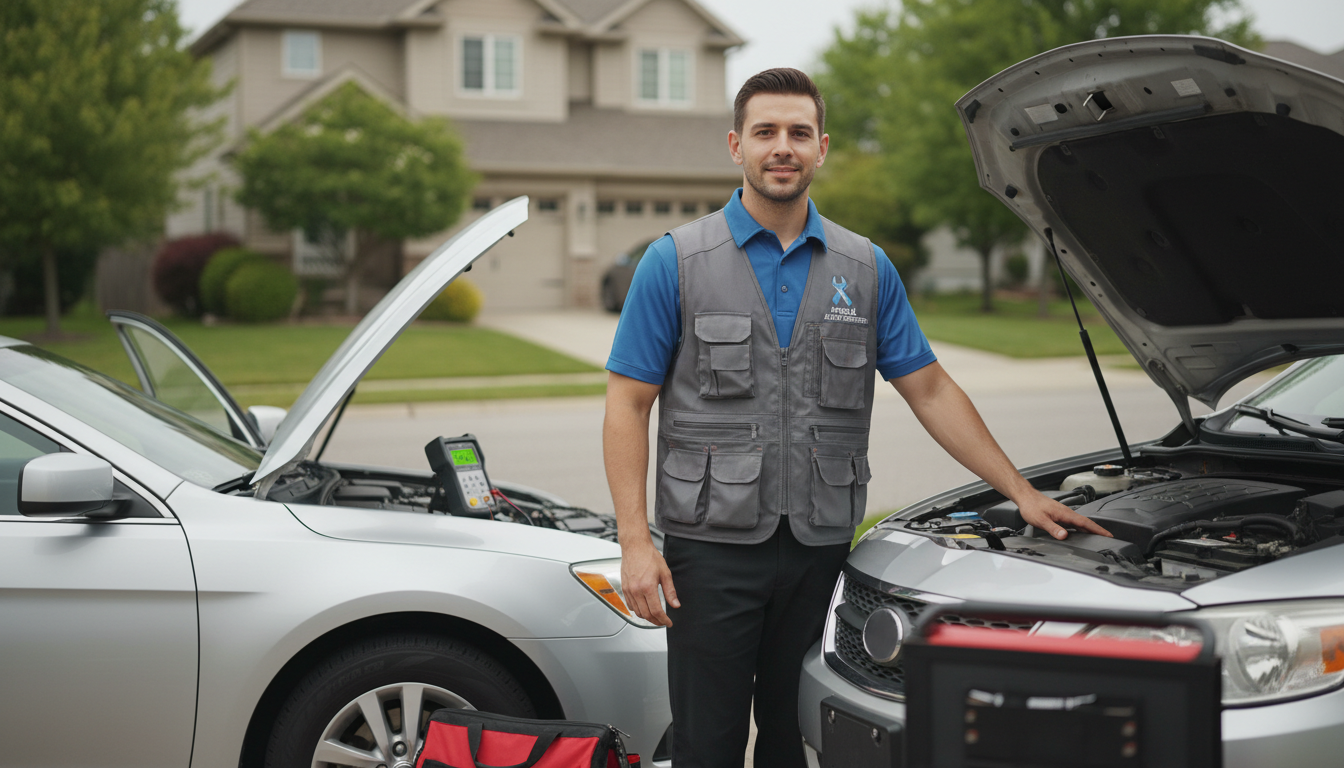
The Alternator
The alternator recharges the battery and powers the electrical systems while the engine is running. If your alternator fails, your car will rely solely on the battery, which can quickly drain. Symptoms of alternator issues include dim lights and a dead battery.
Common Electrical Problems
Identifying electrical issues early can prevent further damage and costly repairs. Common problems include:
- Dead Battery: Often due to age or leaving lights on.
- Faulty Alternator: Causes the battery to drain quickly.
- Blown Fuses: Can disable specific electrical components.
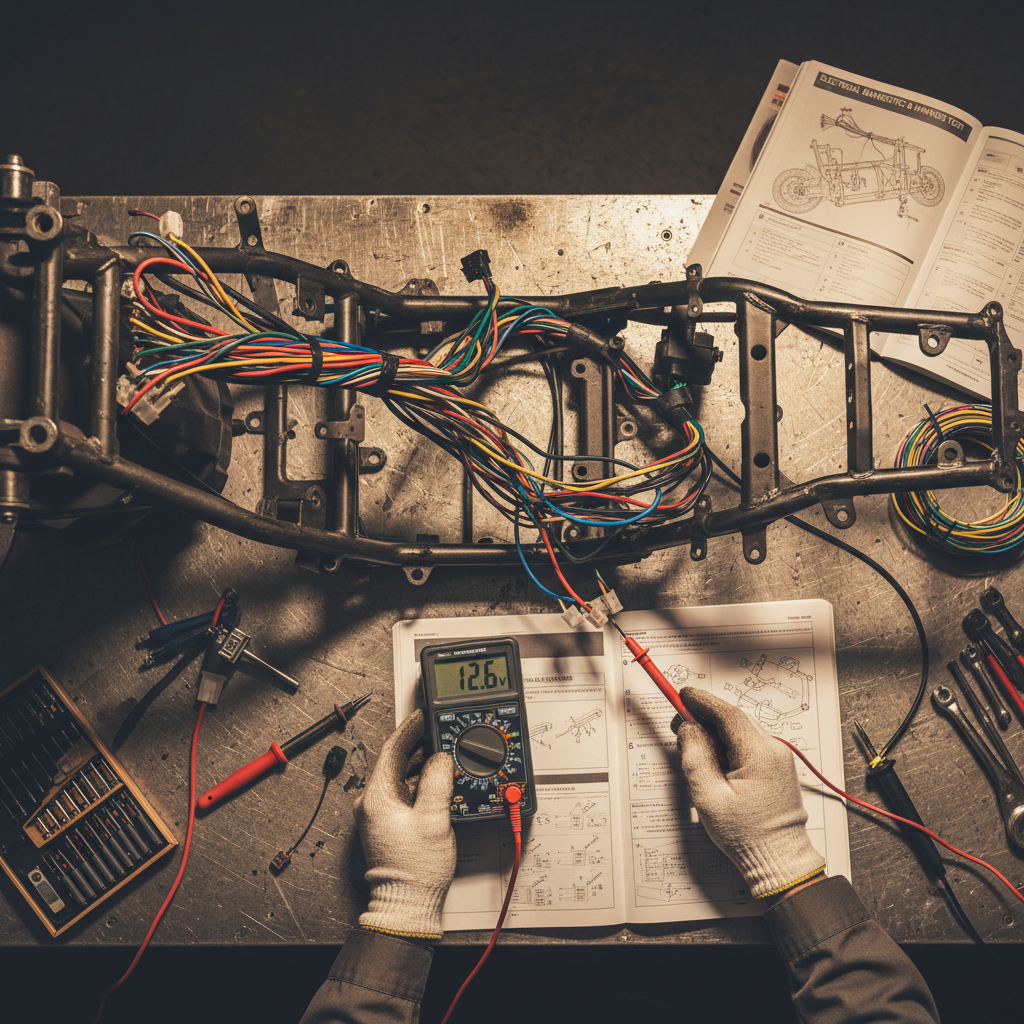
Diagnosing Electrical Issues
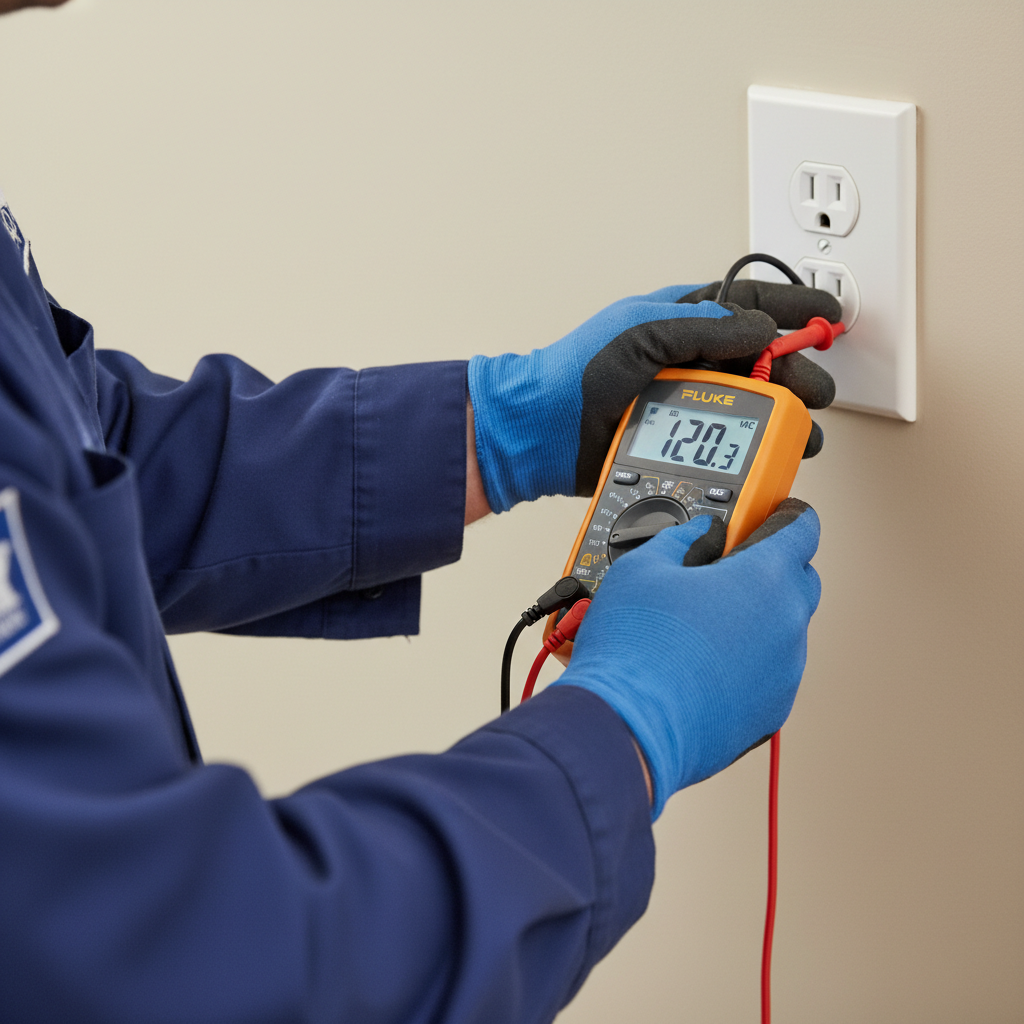
Diagnosing car electrical problems requires a systematic approach. Begin by checking the battery and alternator, followed by inspecting fuses and wiring. Using a multimeter can help measure voltage and identify weak spots.
Using a Multimeter
A multimeter is an essential tool for diagnosing electrical problems. It measures voltage, current, and resistance, helping you pinpoint issues like a weak battery or faulty wires. Always follow safety precautions when using a multimeter.
Solutions and Maintenance Tips
Regular maintenance can help prevent electrical issues. Here are some tips:
- Check Battery Terminals: Clean and secure them to ensure a strong connection.
- Inspect Wiring: Look for signs of wear or damage.
- Test the Alternator: Ensure it's charging the battery efficiently.
When to Seek Professional Help
While many electrical issues can be solved at home, some require professional attention. If you're facing persistent problems or are unsure about a diagnosis, consult a mechanic. They have the tools and expertise to handle complex electrical systems.