
Why Regular Brake Inspections Can Save You Money


The Importance of Regular Brake Inspections
Your vehicle's brakes are one of its most critical safety features. Regular brake inspections are not just about safety; they can also save you a significant amount of money in the long run. Understanding the importance of these inspections can prevent costly repairs and ensure your vehicle's longevity.
Preventing Major Repairs
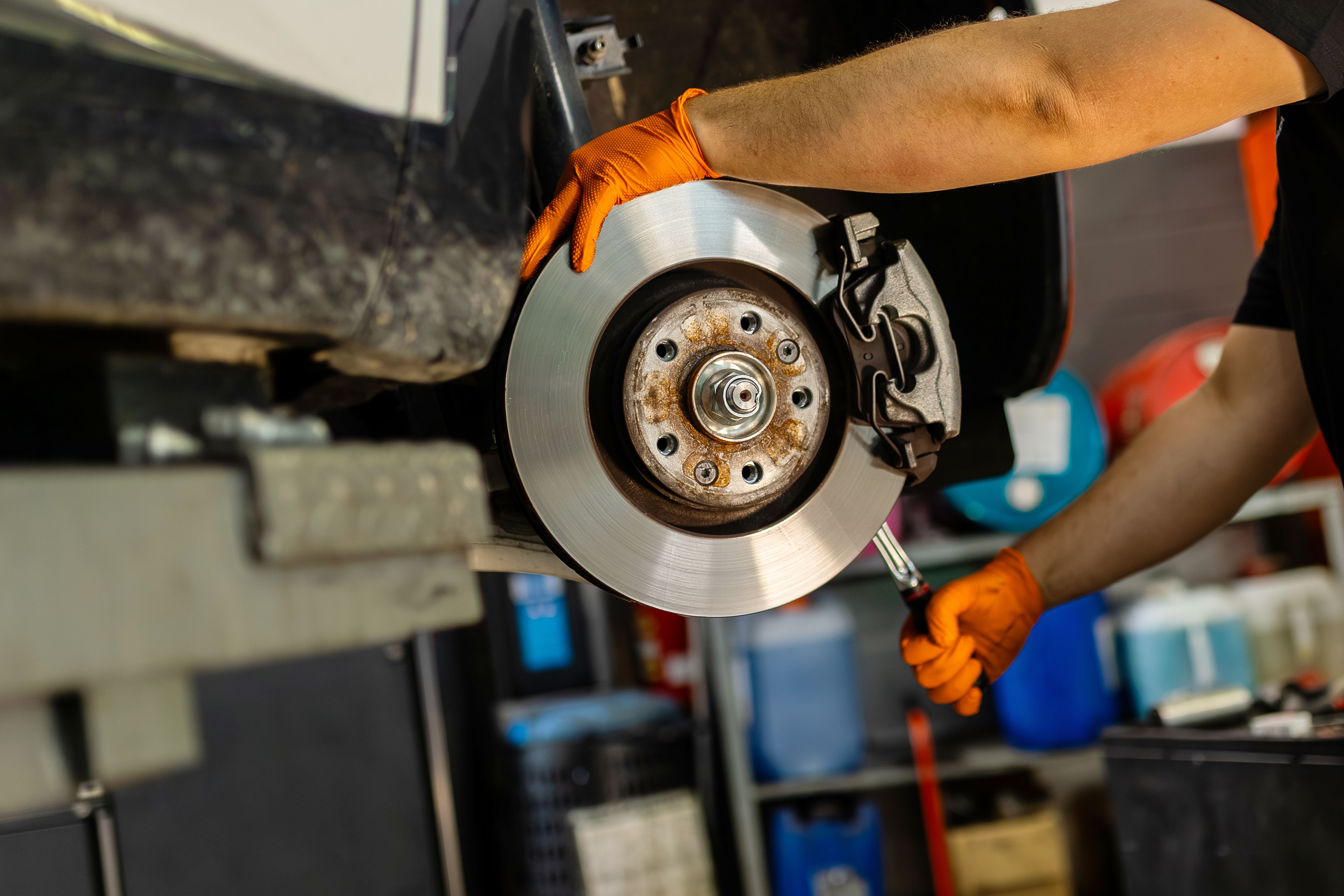
Regular brake inspections help identify wear and tear before it leads to major damage. By addressing minor issues early, you can avoid more extensive and expensive repairs. For example, replacing brake pads when they are worn can prevent damage to the rotors, which are much more costly to replace.
During an inspection, a technician can spot potential problems like fluid leaks or worn-out components. These issues, if left unchecked, can lead to brake failure, resulting in expensive repairs or, worse, an accident.
Extending Component Lifespan
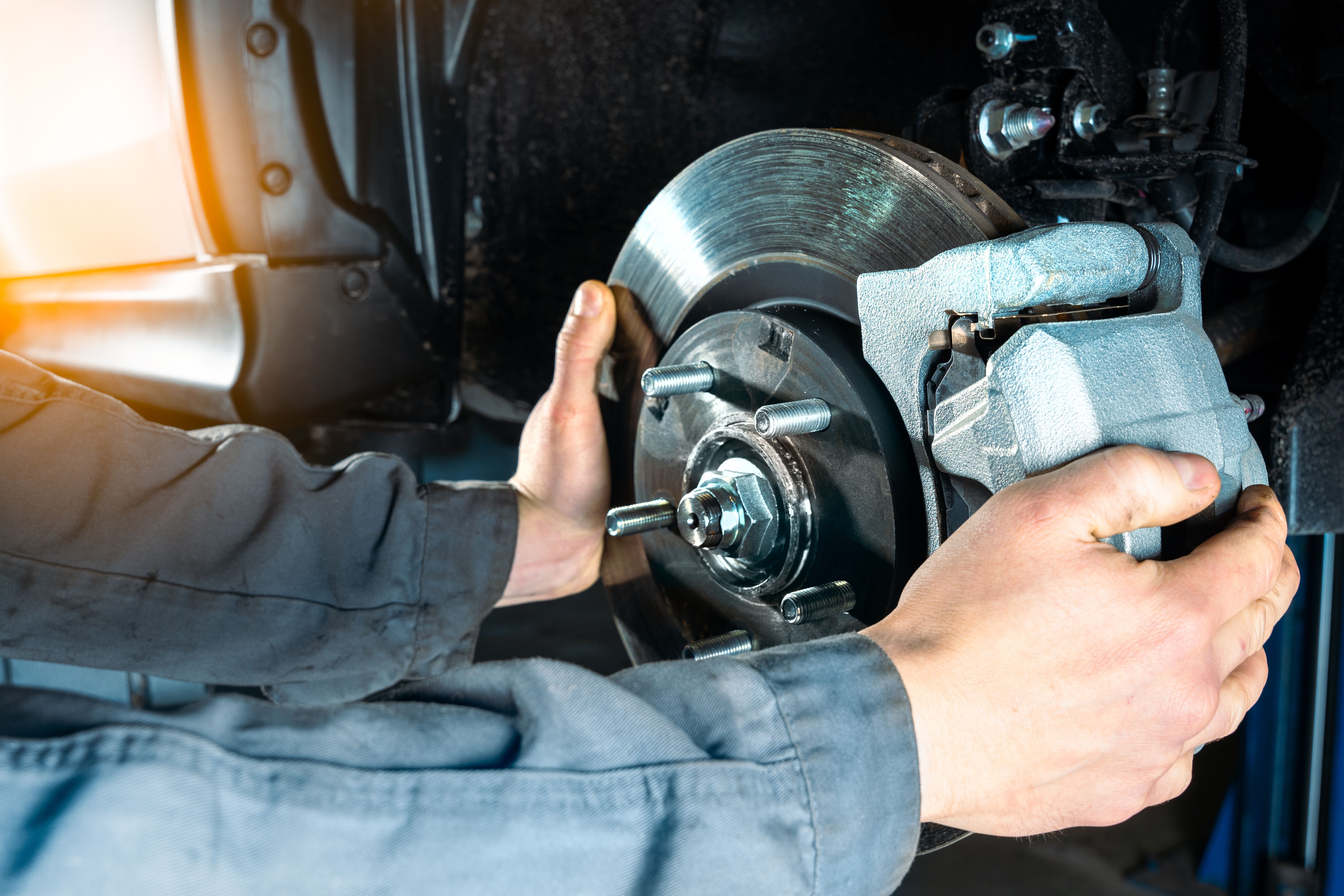
Regular maintenance and inspections extend the lifespan of your brake components. When parts like pads, rotors, and calipers are kept in good condition, they work more efficiently and last longer. This not only saves money but also ensures that your vehicle performs at its best.
By keeping your brakes in optimal condition, you can also maintain better fuel efficiency. Properly functioning brakes reduce the strain on your vehicle, allowing it to operate more smoothly.
Improving Safety
While saving money is important, safety remains the top priority. Faulty brakes can lead to dangerous situations on the road. Regular inspections provide peace of mind, knowing that your vehicle is equipped to handle sudden stops and emergency situations.
Ensuring your brakes are in top condition can also improve your vehicle's overall performance, providing a smoother and safer driving experience.
How Often Should You Inspect Your Brakes?
The frequency of brake inspections can depend on several factors, including your driving habits and the type of vehicle you own. However, a general recommendation is to have them checked at least once a year or every 12,000 miles.
- If you drive in heavy traffic or frequently travel on mountainous roads, more frequent inspections may be necessary.
- Listen for signs of wear, such as squeaking or grinding noises, which can indicate that an inspection is needed sooner.
Conclusion
Regular brake inspections are a small investment that can lead to significant savings. By preventing major repairs, extending component lifespan, and enhancing safety, these inspections are a crucial part of vehicle maintenance. Don't wait for a warning sign; schedule regular brake checkups to keep your vehicle safe and your wallet happy.